Blogs
Insights & Strategies for Your Financial Journey
Stay informed with expert articles, tips, and updates on retirement planning, wealth protection, business strategies, and family financial planning—designed to help you make confident financial decisions.
The James Van Der Beek Wake-Up Call: Why Your Family's Security Shouldn't Depend on a Go- FundMe
The James Van Der Beek Wake-Up Call: Why Your Family's Security Shouldn't Depend on a Go-FundMe
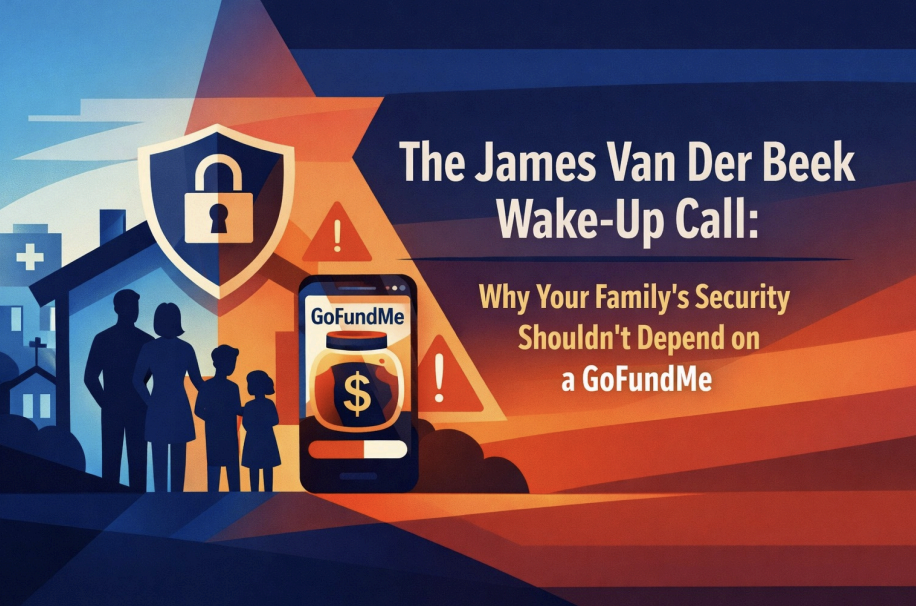
When James Van Der Beek passed away from colorectal cancer on February 11, 2026, the world lost a beloved actor. But his family faced something even more heartbreaking: a financial crisis that forced them to ask strangers for help.
Van Der Beek left behind his wife and six children. Within days of his death, a GoFundMe campaign appeared. The goal was to cover medical bills and support the family. The campaign raised over $2.7 million, which sounds like a success story. But it sparked a bigger conversation about what went wrong.
This wasn't supposed to happen. Van Der Beek was a successful actor with decades of work behind him. Yet his family found themselves in a position millions of Americans face every year: financially vulnerable when it mattered most.
The Controversy That Exposed a Harsh Reality
The GoFundMe campaign drew criticism almost immediately. People noticed something that seemed off. Just weeks before Van Der Beek's death, the family had put down a payment on a $4.8 million ranch property in Texas. The 36-acre estate represented a major investment and a fresh start.
How could a family afford a multi-million dollar property but need crowdfunding for medical bills?
The answer reveals a trap many families fall into. The down payment came through a trust arrangement with friends, not from liquid cash the family had sitting in the bank. Van Der Beek's representative explained that cancer treatment costs had already depleted their accessible funds. By November, he was selling personal memorabilia to pay for treatments.

This is the reality of medical debt in America. It doesn't matter if you have assets, property, or a recognizable name. When a health crisis hits, liquid cash disappears fast. And assets tied up in real estate or investments don't pay hospital bills.
When Success Doesn't Equal Security
Van Der Beek's story illustrates something financial advisors see all the time. A person can be asset-rich but cash-poor. Owning property worth millions doesn't help when you need $50,000 for a treatment next week. You can't pay medical bills with equity in a ranch.
Cancer treatment costs can easily exceed hundreds of thousands of dollars. Experimental treatments, out-of-network specialists, travel for specialized care, and medications not covered by insurance add up quickly. Even with good health insurance, out-of-pocket maximums and uncovered expenses can devastate savings.
For the Van Der Beek family, those costs came on top of daily living expenses for eight people. Mortgage payments, utilities, groceries, and children's needs don't stop because someone is sick. The financial pressure compounds the emotional trauma of watching a loved one fight for their life.
The GoFundMe Gamble
Over $2.7 million in donations sounds generous. And it was. Thousands of people contributed because they cared about the family's wellbeing. But relying on public generosity is not a financial strategy. It's a desperate last resort.
GoFundMe campaigns face several problems:
Unpredictability: There's no guarantee anyone will donate. Some campaigns raise millions while others struggle to reach a few thousand dollars. Success often depends on social media reach, media coverage, and timing: factors completely outside your control.
Public scrutiny: The Van Der Beek family experienced this firsthand. Instead of grieving privately, they faced criticism and judgment about their financial decisions. Donors felt entitled to question how the money would be used.
Emotional toll: Asking for help publicly while dealing with illness or loss adds stress to an already traumatic situation. Family members must promote the campaign, respond to questions, and justify their need to strangers.
Tax implications: Large GoFundMe proceeds can create complicated tax situations that grieving families aren't prepared to handle.

What Proper Protection Looks Like
The Van Der Beek tragedy didn't have to unfold this way. With proper financial protection in place, his family could have faced his illness and death without financial devastation or public fundraising.
Life insurance is the foundation. A properly structured policy pays out a death benefit directly to beneficiaries. The money arrives quickly, often within weeks, and can cover immediate expenses, on-going living costs, and future needs like college tuition. Life insurance proceeds are typically tax-free and don't require public campaigns or explanations.
Critical illness insurance pays out when someone is diagnosed with a serious condition like cancer.
This money becomes available while the person is still alive and fighting. It can cover experimental treatments, travel to specialized facilities, or simply replace lost income so a spouse can stay home as a caregiver.
Disability insurance protects income if illness or injury prevents someone from working. Van Der Beek likely couldn't work during his cancer battle. Disability coverage would have replaced a portion of his income during that time, preventing the depletion of savings.
Estate planning ensures assets are protected and accessible when needed most. Proper trusts, wills, and beneficiary designations mean families don't face legal battles or frozen assets during a crisis.
The Real Cost of Waiting
Many people delay these protections. They think they're too young, too healthy, or that it's too expensive. Van Der Beek was only 47 when he died. He probably thought he had decades ahead.
Cancer doesn't check your age or bank balance before striking. Neither do heart attacks, accidents, or any other crisis that can upend a family's financial security.
The cost of protection is remarkably affordable compared to the alternative. Term life insurance for a healthy person in their 30s or 40s often costs less than a monthly streaming subscription. Critical ill-ness and disability coverage add layers of protection that make a real difference when the unthink-able happens.
Compare that cost to $2.7 million raised through public fundraising after the fact. Or to the emotional cost of children watching their surviving parent beg strangers for help online.
Planning for Both Families and Business Owners
This lesson applies equally to families and business owners. A business owner's death or disability can devastate both their family and their company. Without proper buy-sell agreements funded by insurance, businesses may have to be sold quickly at unfavorable prices to generate cash for the family.
Key person insurance protects businesses when essential people die or become disabled. The payout covers the cost of finding and training replacements, maintaining operations, and reassuring clients during the transition.
Business owners also need personal coverage separate from business policies. Your family's security shouldn't depend on business assets that might be tied up in succession planning or partnership disputes.
Moving Forward
James Van Der Beek's death is tragic. The financial aftermath his family faced didn't have to happen. His story serves as a stark reminder that fame, success, and assets don't equal financial security.
Every family deserves better than crossing their fingers and hoping for donations from strangers. Protection exists. It's accessible, affordable, and designed specifically to prevent the kind of crisis the Van Der Beek family experienced.

At WealthGuard Solutions, the focus is on personalized guidance that matches real needs. No two families face identical risks or have identical resources. Modern insurance solutions provide both protection and peace of mind, tailored to specific situations rather than one-size-fits-all policies.
The conversation about financial protection starts with honest assessment. What would happen to your family if you couldn't work tomorrow? If you received a serious diagnosis? If you died unexpectedly? The answers to those questions shape the protection strategy that makes sense.
Van Der Beek's family will carry forward with the support they received. But countless other families face similar crises without celebrity status to drive donations. They face those crises alone, with depleted savings and uncertain futures.
That's the wake-up call. Not that tragedy can strike: everyone knows that intellectually. The wake-up call is that tragedy without preparation means your family's security depends on the generosity of others. That's not a plan. That's a crisis waiting to happen.

Wealth Guard Solutions
Strategic financial solutions designed to help families and business owners grow, protect, and transfer wealth with confidence.



Support
Privacy Policy
Terms & Conditions
Copyright 2026. Wealth Guard Solutions. All rights reserved.